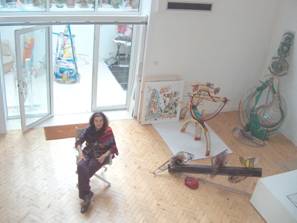
Agathe Sorel (1935 – 2020)
"Line in space has a structural density of its own... By cutting lines in transparent acrylic, I allow light to pass through the engraving, casting shadows that act as a second dynamic layer of the drawing."
Agathe Sorel was born in Budapest, Hungary. Fleeing to London after the Hungarian Revolution in 1956, she studied at the Camberwell School of Art. Later, she studied engraving in Paris under S.W. Hayter at Atelier 17. Sorel set up a print workshop in Fulham in 1960. From 1963, she pioneered Space Engravings on transparent acrylic (PVC and Perspex). Sorel served as Chairman of the Printmakers' Council (1981-1983) and was represented in major exhibitions worldwide.
Sorel was a pioneering printmaker, sculptor, and book artist. Combining three-dimensional volumes with etched lines on transparent acrylic sheets, she redefined printmaking and introduced the boundary-pushing medium of "Space Engravings."
Showcase Pieces
Prints Portfolio
Sculptures & Space Engravings
Watercolours & Collages
An Artist in Time and Space
“When I was a child, I wrote a diary on small strips of paper. It was among my most treasured possessions.”
Agathe Sorel wrote her memoirs in her eighties. She was still correcting the proofs of the second volume when she died in the summer of 2020. From Darkness to Hope follows her family from her grandparents’ time, through the Holocaust and Communist Hungary, to her escape in 1956. Projections in Time and Space follows the artist she became, in London, Paris, America, Lanzarote and India, over six decades of invention in print and sculpture.
The memoirs grew out of that childhood diary. To it she added three generations of family letters and photographs, a forgotten drawer of correspondence, and portraits of the artists she worked alongside, from S. W. Hayter to André Kertész. She illustrated both volumes with her own collages, prints and photographs.
This posthumous edition, edited by her son Sylvan Sitkey, is prepared from her final proofs and the corrections she marked on them. Volume One has a foreword by Peter Hacker and Volume Two a foreword by the sculptor and printmaker David Ferry.
Both volumes will be published in a limited edition in January 2027. Register your interest to be told when copies are available.
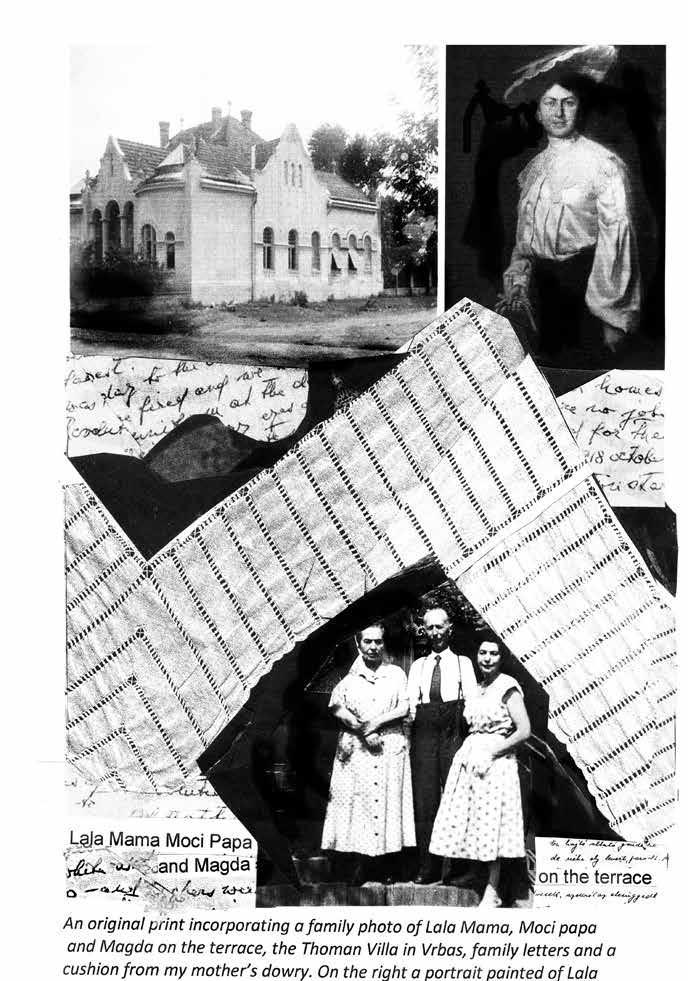 p. 14: Print with family photo, Vrbas
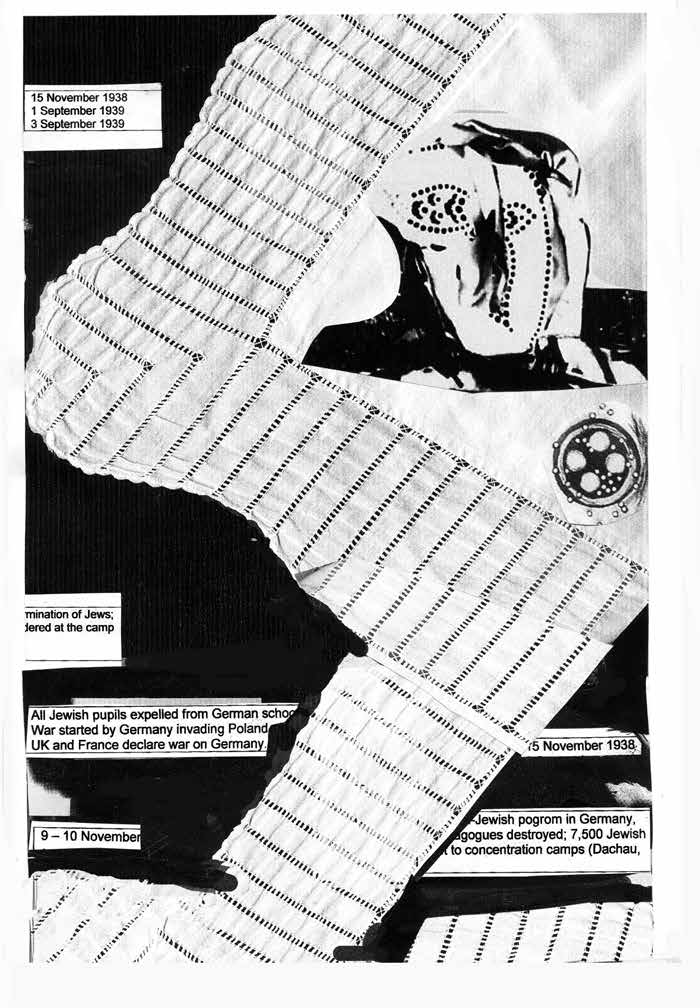 p. 17: Grandmother Lala Mama
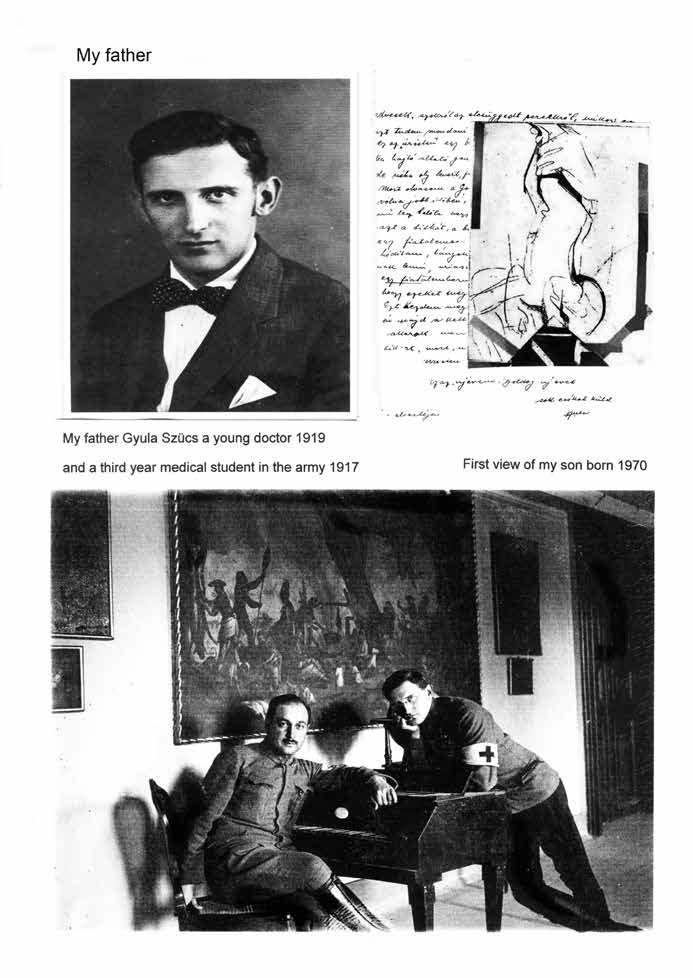 p. 24: Gyula Szüts (Father) Portrait
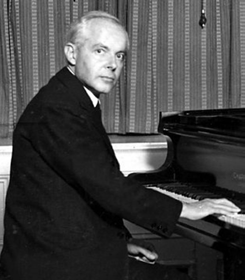 p. 28: Balázs & Composer Bartók
My Family
Agathe’s summers were spent at the Villa Thomán in Vrbas, the Art Nouveau house of her grandmother Lala Mama, “who raised housekeeping to a great art”. Her father, Gyula Szüts, was a Budapest neurologist and a violinist who held chamber concerts at home. Her mother, Magda, had wanted to be a research scientist like Marie Curie, but was told it would make her unmarriageable. Three generations of family letters bring this lost world of Hungarian-Jewish life back to life.
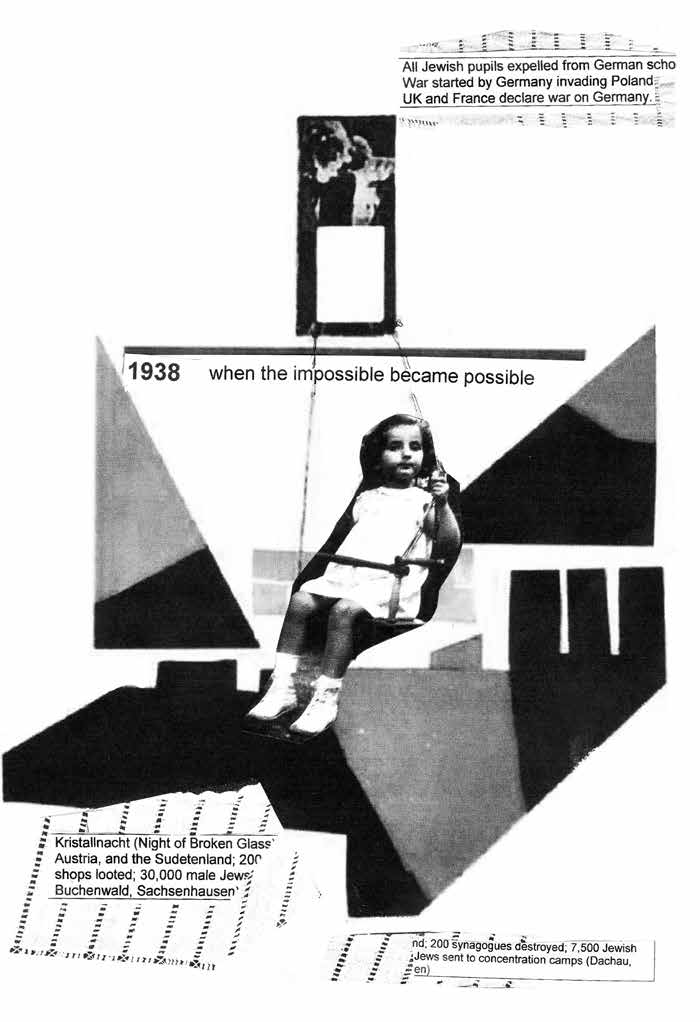 p. 37: Magda Posing as Model
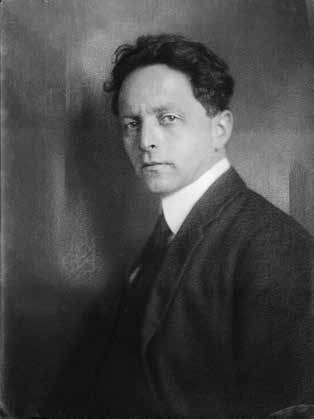 p. 28: Béla Bartók Study
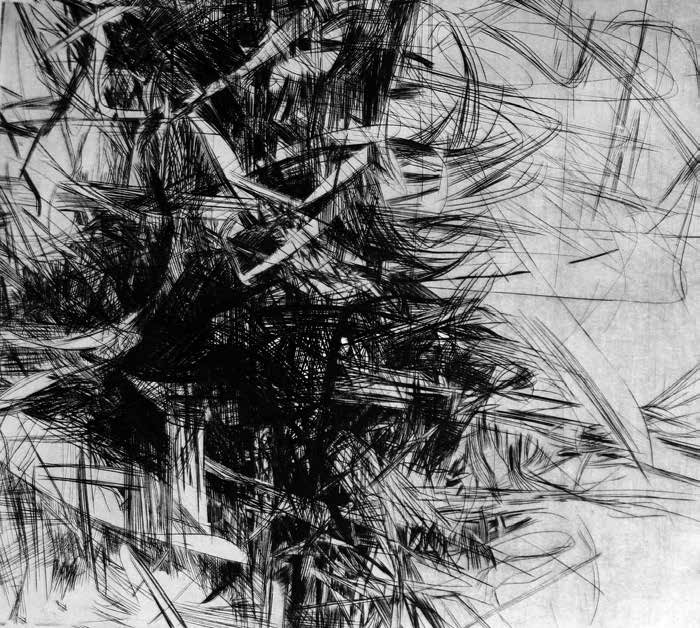 p. 20: Fumee (1961) — Line Engraving
My Childhood
Agathe grew up at Liszt Ferenc tér 4 in Budapest, among her father’s books and Bauhaus furniture by Herbert Bayer, “always believed in the family to be a relative”. She learnt to read under her school desk, and Csumi the dachshund sang along at the house concerts. With only pencil and paper to hand, she decided she would be an artist, and her mother “patiently posed for me in the most uncomfortable positions”.
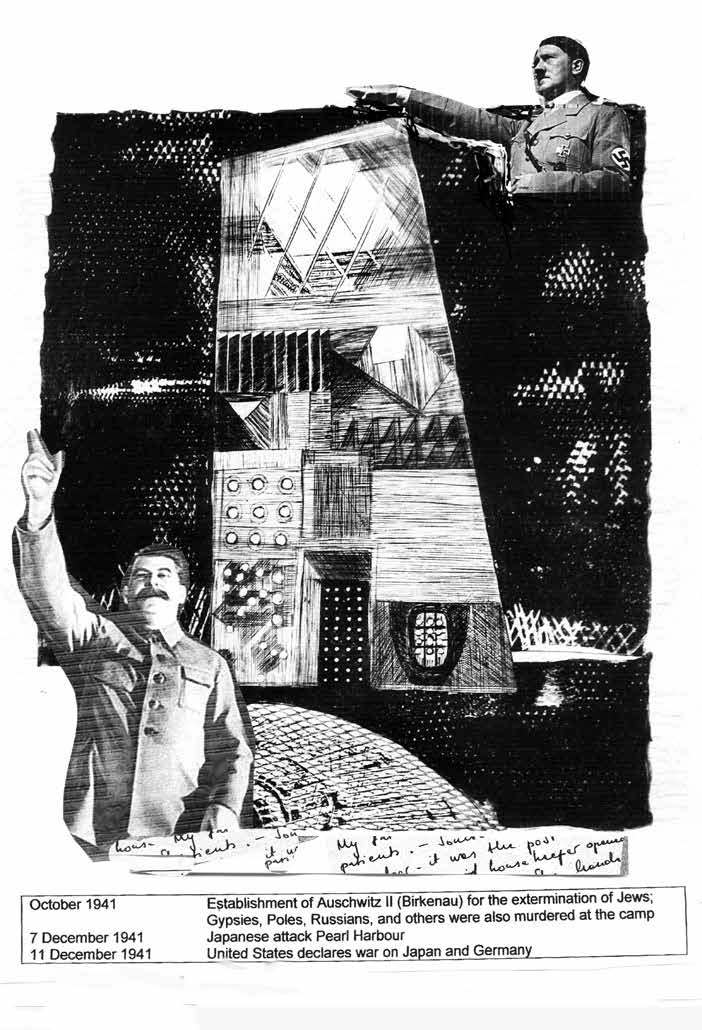 p. 47: The Physician of the State
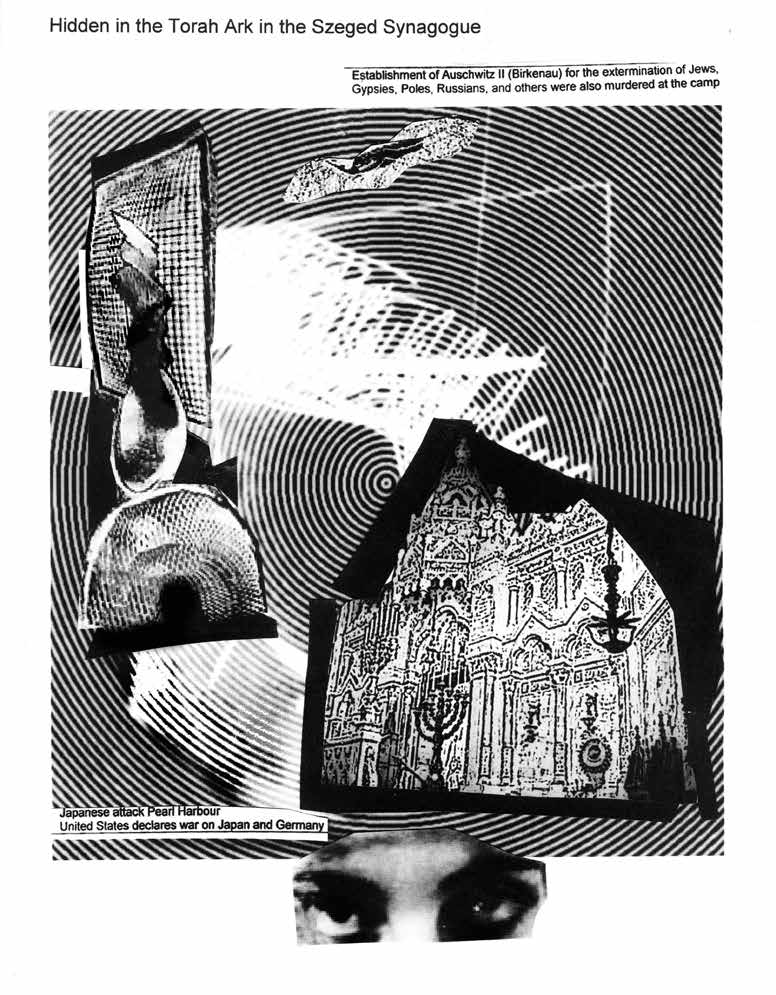 p. 56: Torah Ark, Szeged Synagogue
The Holocaust Diaries
At nine, Agathe began a diary on scraps of paper, under the title The Physician of the State. It follows the family from the village of Öcsény, where her father served as the doctor, to the collection camp at Szeged and the cattle trucks. Back in Budapest she was hidden by nuns, and she crossed a Danube bridge minutes before the Germans blew it up. The family survived Arrow Cross raids in a Swedish-protected house until the Soviet army arrived on 13 February 1945.
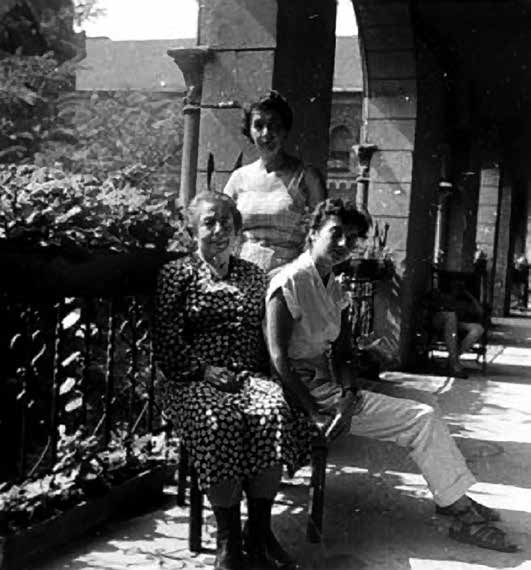 p. 67: Rákoczy Street Flat, 1955
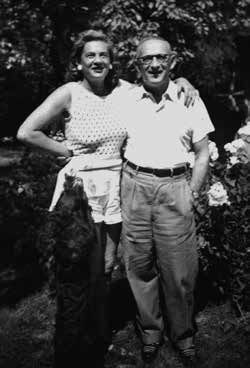 p. 68: Gyula and Lilly
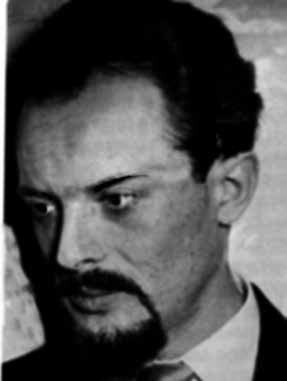 p. 87: Sándor Lévai Portrait
Growing up with Communist Propaganda
After the war the family flat was taken by the state, and a middle-class girl with grandparents in Tito’s Yugoslavia was a “class enemy”. Agathe worked her way into the Academy of Applied Arts and in 1954 transferred to the Academy of Fine Arts. There she found mentors in Jenő Barcsay and Margit Gráber, and spent free days on the wild Mosquito Island on the Danube. In October 1956 her fellow students turned on socialist realism, and the city on Stalin’s statue. In November her father, “at very great risk to himself”, arranged an ambulance to take her out of Hungary, and he stayed behind.
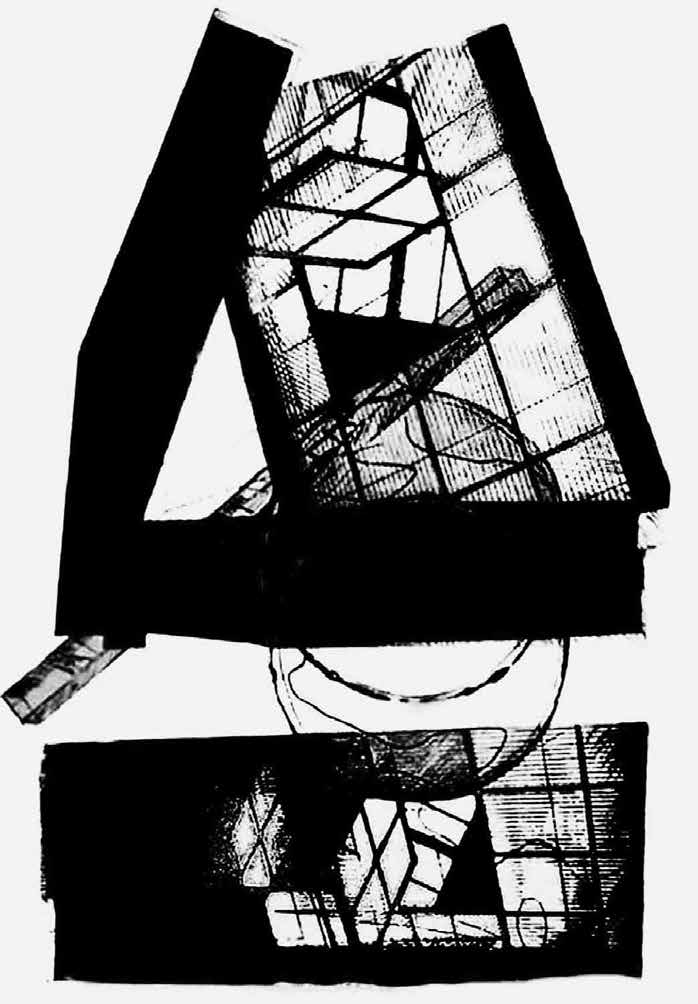 p. 101: Raoul Wallenberg Entry
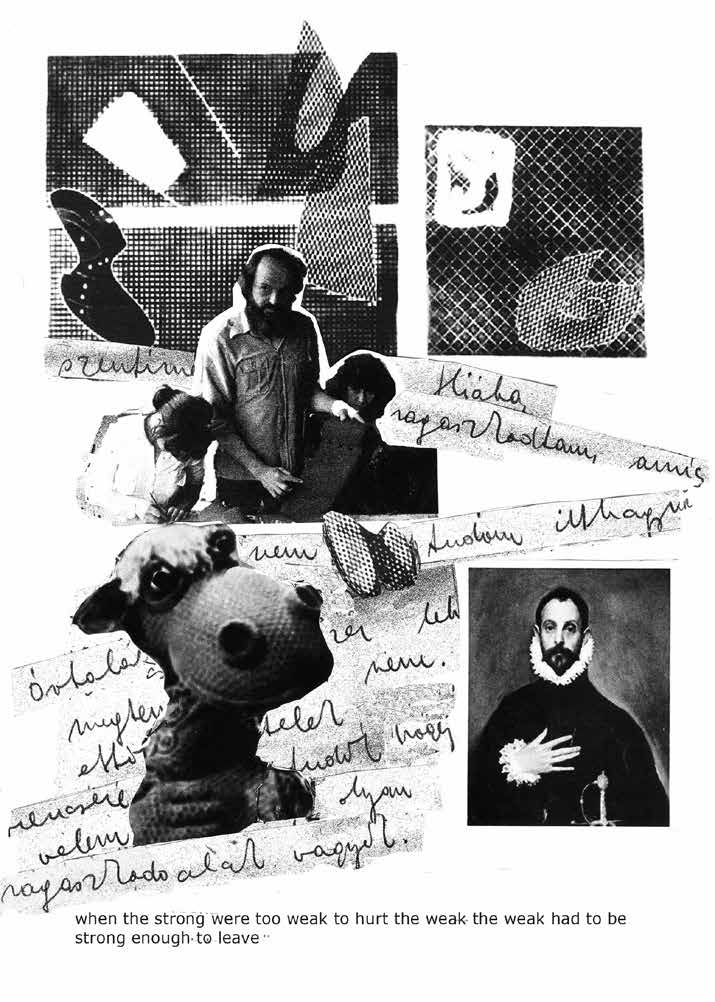 p. 88: Saying Farewell to Budapest
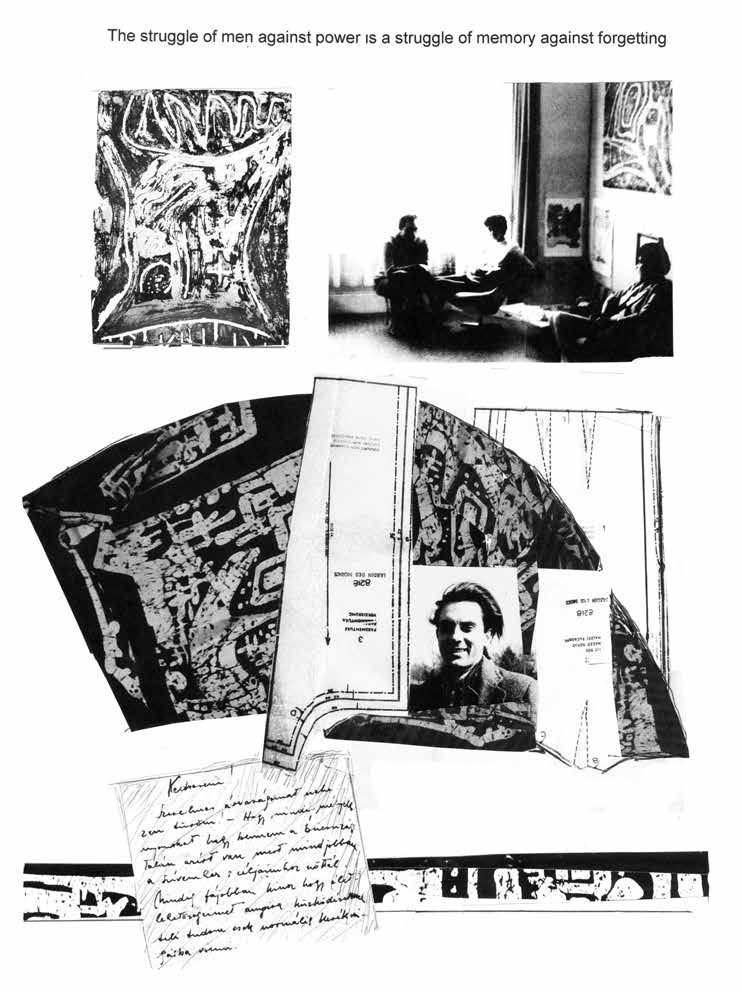 p. 92: Late Budapest Drawing
Chronology of Events
A timeline that sets the family story against the history that shaped it. It runs from the First World War and the Treaty of Trianon, through Hungary’s anti-Jewish laws from 1920 and the German occupation of 19 March 1944, to the siege of Budapest and the end of the war in Europe on 8 May 1945.
Acts of Heroism and Defiance
Agathe closes the volume with a tribute to eleven people who risked their lives to save Jews from the Nazis, “and who sometimes paid with their livelihoods or even, in the case of Wallenberg, who saved me, with their lives”. They include Raoul Wallenberg, Carl Lutz, Chiune Sugihara, Sir Nicholas Winton, Giorgio Perlasca and Irena Sendler.
November 1956: an ambulance to Vrbas, a night train to Vienna and a flight to England. Agathe was 21, a refugee with a diary of scraps and an art-school training. Continue with Volume Two →
Volume Two picks up the story on arrival in England in 1956. ← Back to Volume One
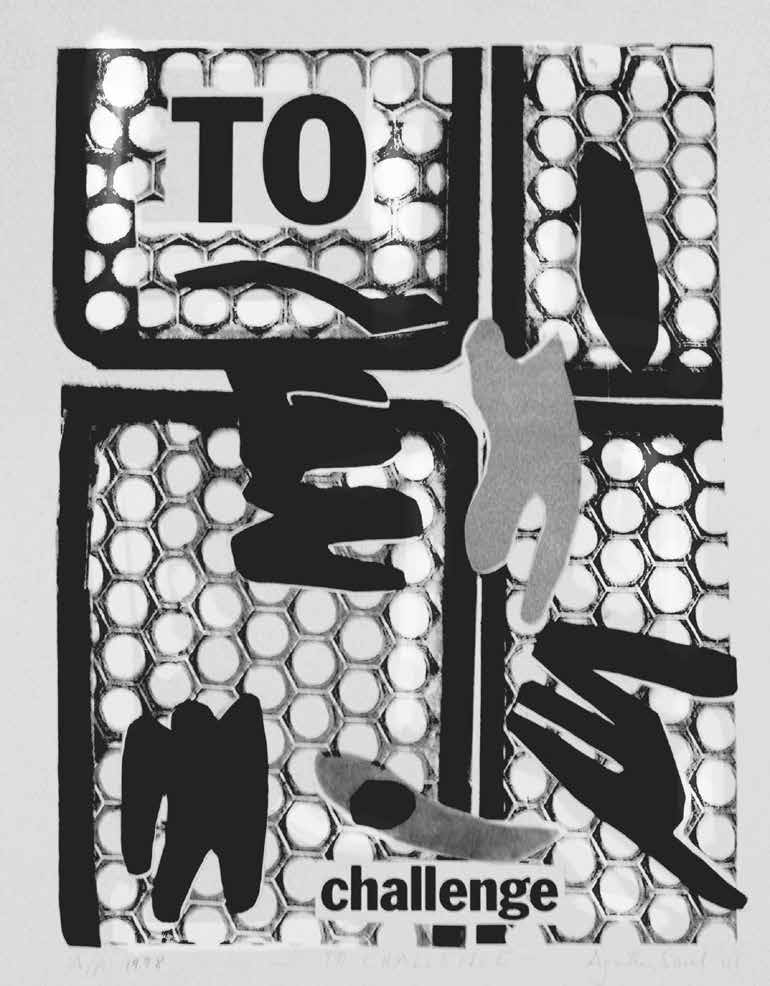 p. 2: To Challenge (1986)
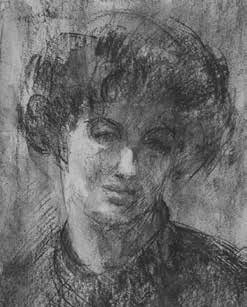 p. 14: Self-Portrait (1956)
Foreword by David Ferry
The sculptor and printmaker David Ferry first met Agathe in 1976, as a 19-year-old student at Camberwell. He introduces the volume by setting her work in the long history of engraving, “the act of incising a groove into some resistant material”, which is as old as the first traces of human activity.
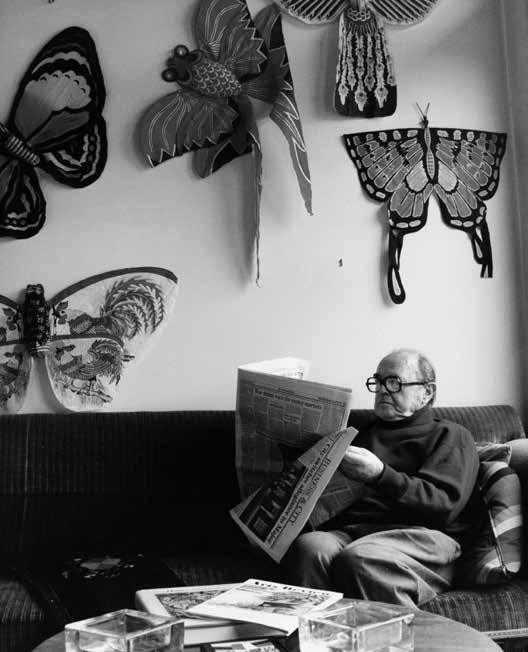 p. 19: Rothenstein in his Studio
Fleeing to the West
One night in Vrbas, the train to Vienna and a flight to England. London was “something of a disappointment” at first: her mother found work as a receptionist in a run-down Brick Lane. At Camberwell School of Arts and Crafts, Michael Rothenstein arrived for class with pieces of weathered wood rescued from rivers and rubbish dumps, and taught her what a print could be made from. In 1958 she won a Gulbenkian scholarship to Paris.
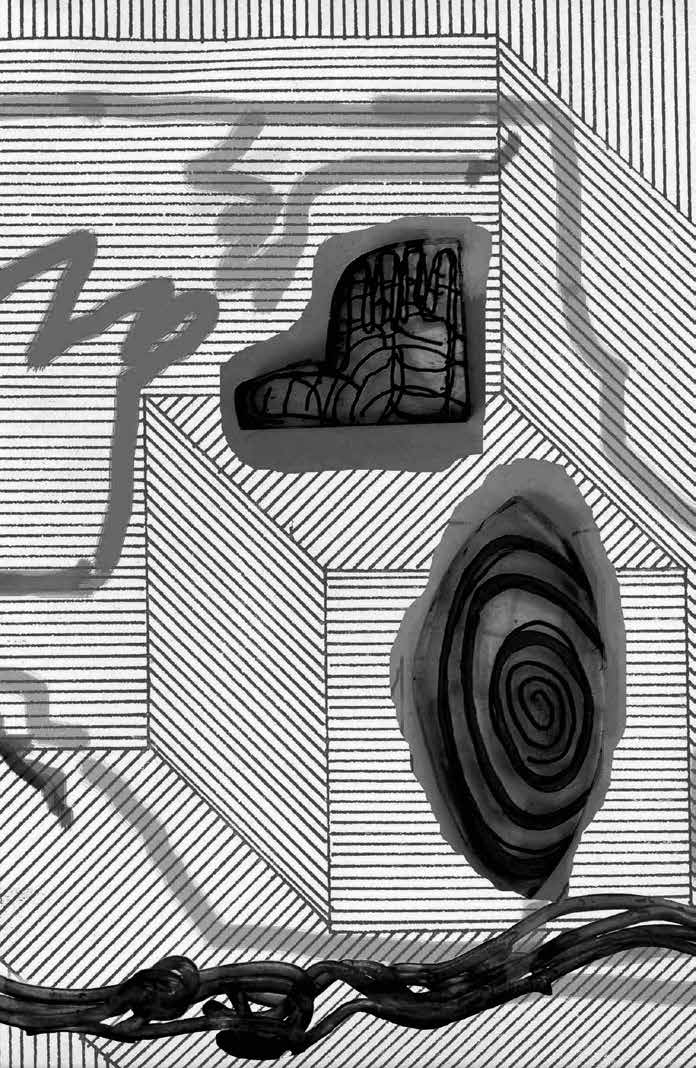 p. 25: Hand and Eye Coordination
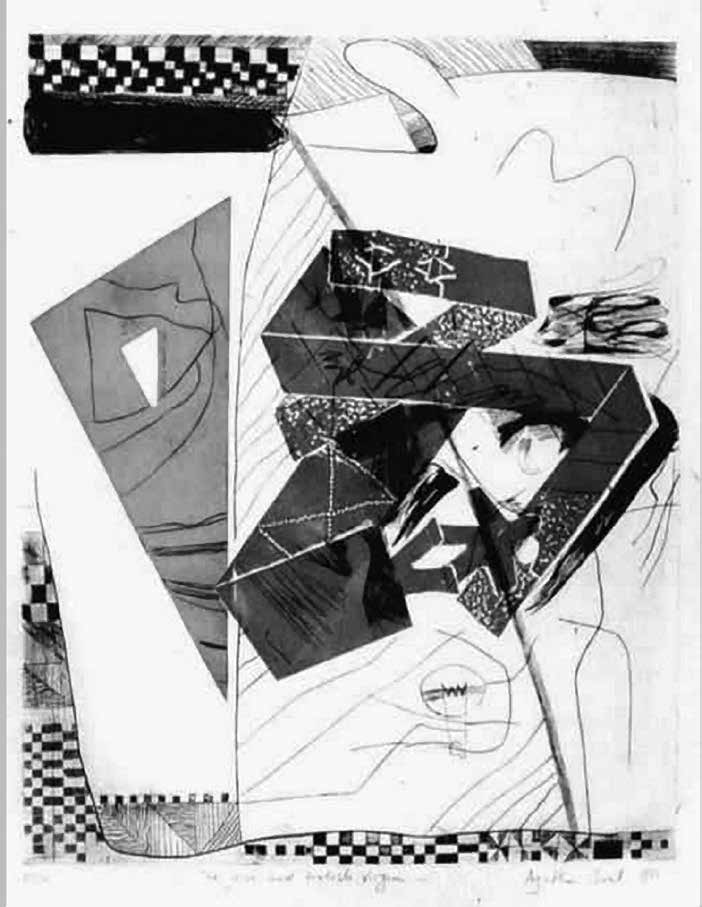 p. 53: The Wise and Foolish Virgins
Paris – Dreams Fulfilled
Two years at Atelier 17 with S. W. Hayter, “a fierce angel on a mission”, whom everyone called Bill. Agathe took a flat opposite his studio, enrolled on a French literature course at the Sorbonne “in spite of my poor French”, and met Dalí, the sculptor József Csáky and Victor Vasarely, who introduced her at his 1959 private view as an up-and-coming young artist. Her first Paris prints were shown at the Salon de Mai and the Salon des Indépendants.
Setting up Home and Studio
In 1960 a single woman could not get a mortgage without a husband or father to guarantee it. Fulham Borough Council accepted Agathe’s business plan instead, and a run-down hostel for migrant workers became the Studio of Contemporary Art. She married Gabor Sitkey and taught at Camberwell, Goldsmiths’ and Maidstone. In 1964 she made her first artist’s book, Le Balcon, from Jean Genet’s banned play, and it was bought by the British Museum and the Library of Congress. She was one of the handful of founder members of the Printmakers Council in the 1960s print revolution.
America
Agathe crossed to the USA every year from 1960 to 1975, starting from the Philadelphia Print Club and Bertha von Moschzisker. She got to know Sam Maitin, Leonard Baskin, Gabor Peterdi and Mauricio Lasansky. A Churchill Fellowship in 1966–67 took her across the USA and Mexico, ending with a month at the Chelsea Hotel. In Philadelphia, the plastics manufacturer Charlie Kanev gave her sheets of acrylic, and that gift became the Space Engravings.
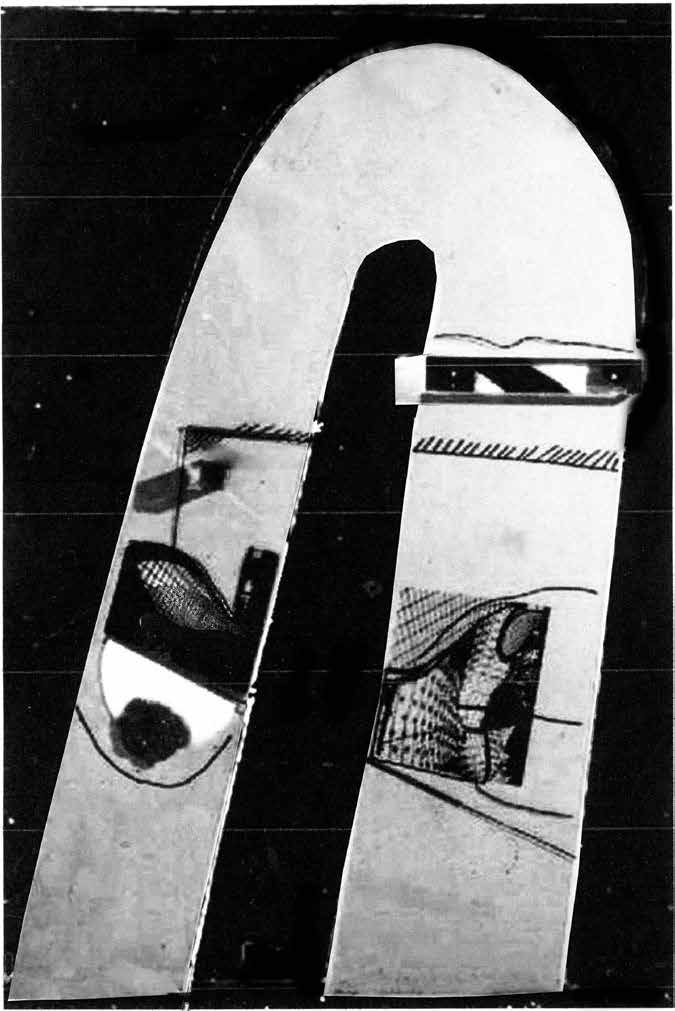 p. 129: Welcome Arch (1971)
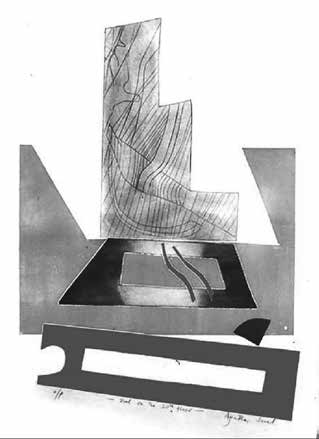 p. 130: Pool on the 30th Floor
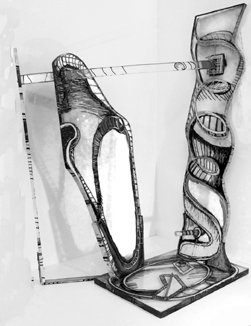 p. 142: Ego the Goat (1985)
Career 1967–1990
Back from America, Agathe made engraved acrylic her own: Space Engravings, where the line leaves the paper and casts its shadow into the room. She moved from Fulham to a mews house in Wilton Row in 1979. She showed at Gravelines in 1986 and in New York in 1989, after a battle with Customs and Excise, who ruled that her sculptures were not art. She taught at Canterbury for more than 17 years, worked with the mathematician Tom Banchoff at Brown University, and counted André Kertész as a friend.
Lanzarote
In the spring of 1973 Agathe and Gabor came to look at a holiday development, disliked it, and “fell in love with the island itself”. They bought a primitive farmhouse on a hillside with no electricity. Lanzarote gave her silence, neighbours with extraordinary stories and the friendship of César Manrique. A dead cactus at the bottom of the garden, photocopied, led to the artist’s book Catalana Blanca, and the island’s beaches to The Book of Sand, made with the poet David Gascoyne.
1990 – Present
Her studios at Dorrell Hall in Forest Hill became, in her words, “refuges or anchorages”. The Space Engravings toured Germany from 1993 to 1995. Later work answered the news: Deptford Market (1996) and The Gates of Hell (2003), about the Iraq war. A retrospective at Cartwright Hall, Bradford, followed in 2004. In 2008 she painted in India with the Royal Watercolour Society, leading to a solo show at the Nehru Centre. She drew the Cirque du Soleil for the Royal Albert Hall in 2011, and held a retrospective in her own studio in 2014.
Material Innovations & Methodologies
A record of pioneering printmaking techniques, three-dimensional engravings, and structural assemblages developed by Agathe Sorel.
Pure Color: The Shift to Perspex Plates
"In the 1960s, seeking a way to achieve absolute color purity unmarred by the chemical interactions inherent to copper and zinc plates, Agathe Sorel independently pioneered printmaking on synthetic acrylic sheets. By substituting traditional metal with worked Perspex, she unlocked a method for drypoint and mezzotint that preserved the vivid, luminous essence of fine art pigments—a technique that ran parallel to highly guarded commercial currency printing secrets of the era."
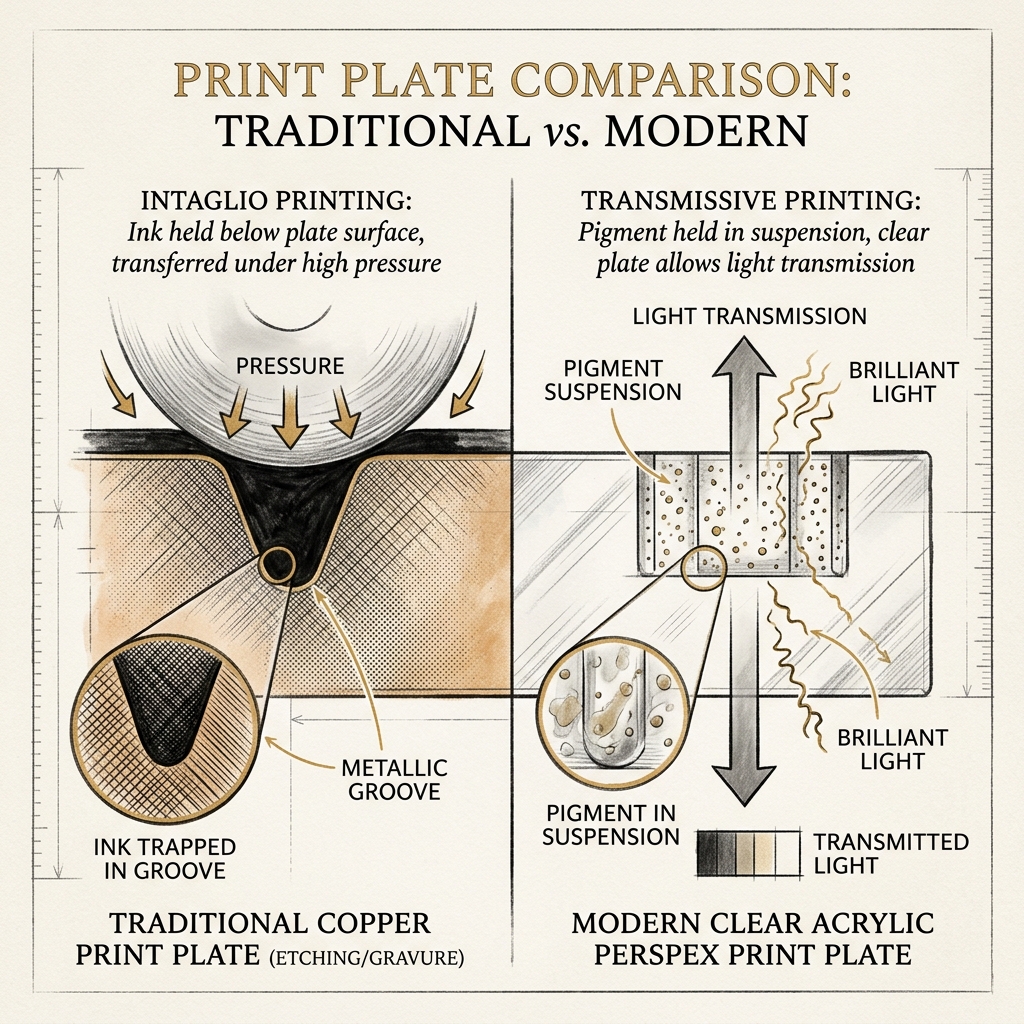
Left: Grooved copper plate capturing ink under pressure. Right: Transmissive suspended pigment in clear acrylic, preserving original luminosity.
_The_Wise_and_Foolish_Virgin_1966_.br.780x600_mm_406d47fd108.jpg)
The Wise and Foolish Virgin (1966) — Exploded View Matrix
Hover over markers 1–4 to examine the layered triptych assemblage.
Assembling the Print: The Multi-Plate Triptychs
"Moving beyond the constraints of the single-plate system, Sorel approached printmaking as an act of architectural engineering. Her seminal 1966 work, The Wise and Foolish Virgin, shattered conventions by integrating line engraving, aquatint, found acrylic drawing tools, photogravure, and a low-relief hammered bronze plate into a singular, cohesive impression. This radical framework transformed the printing press into a site for multidimensional assemblage."
Projections in Space: Printmaking in Three Dimensions
"Sorel’s defining contribution to modern sculpture was her creation of 'Space Engravings.' By executing her precise, fluid line engraving directly onto freestanding, transparent plastics and heat-molded acrylics, she liberated the graphic line from paper. In masterpieces like Welcome Arch (1971), ambient light replaces the gallery wall, projecting engraved lines as dynamic shadows that change with the viewer's movement."
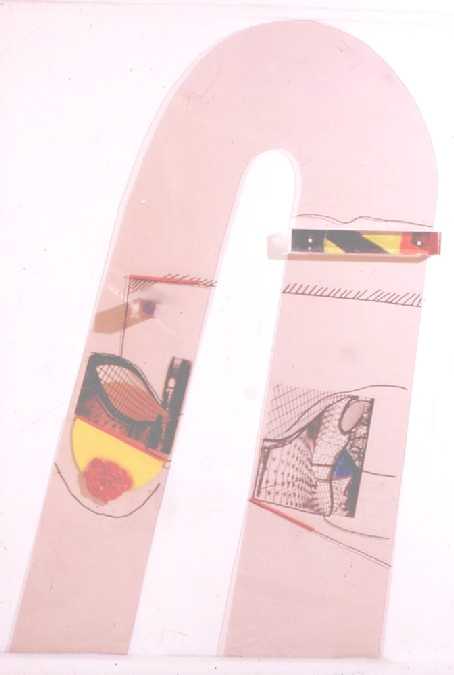
Welcome Arch (1971). Engraved acrylic sheets, 1800 x 1120 x 100 mm. Projecting moving shadows in three-dimensional space.
Public Collections & Exhibition Services
Agathe Sorel's artwork is represented in premier public collections worldwide. We support museum professionals, independent curators, and galleries by facilitating loan requests, providing high-resolution archival media files, and assisting in exhibition research.
Key Institutional Collections
- The Tate Gallery, London
- British Museum, London
- Victoria and Albert Museum (V&A), London
- British Library, London
- Arts Council of England, London
- Government Art Collection, London
- Ashmolean Museum, Oxford
- Fitzwilliam Museum, Cambridge
- Royal College of Art, London
- National Gallery of Art, Washington, D.C.
- Museum of Fine Art, Philadelphia
- Smithsonian Institution, Washington, D.C.
- Library of Congress, Washington, D.C.
- New York Public Library, New York
- Boston Museum of Fine Arts, Boston
- Chicago Art Institute, Chicago
- Los Angeles Museum of Fine Art (LACMA), Los Angeles
- Fogg Museum, Cambridge, MA
- Stedelijk Museum, Amsterdam, Netherlands
- Copenhagen Museum, Copenhagen, Denmark
- Bibliothèque Nationale, Paris, France
- Israel Museum, Jerusalem, Israel
- Museum of Art, Skopje, North Macedonia
- Town Hall Collection, Tias, Lanzarote
- Town Hall Collection, Hong Kong
Curatorial Inquiries & Requests
Submit loan queries, media access requests, or private catalog inquiries. The estate coordinator will respond within 3 business days.
Media Resource Center
Welcome to the media resource room for the Estate of Agathe Sorel. Below are official publications, digital press guides, and high-resolution media resources formatted for institutional use.
Curator & Media Downloads
Complete Exhibition Histories (PDF)
Comprehensive catalog detailing solo shows, group exhibitions, and awards since 1959.
Press Photograph Kit (ZIP)
Archival high-resolution image assets with metadata and copyright clearance tags.
Historical Essays & Curation Guide (PDF)
Sample essays from art historians Julia Weiner and Professor David Ferry on Space Engraving.
Need Custom Material?
If you require specific academic transcripts, copyright approvals, or have custom curatorial requests, please submit an official query using our form.
External References & Articles
Explore additional scholarly articles, public archives, and exhibition records detailing the life and work of Agathe Sorel:
Roseberys: Sorel & Sitkey Collection →
A feature article highlighting rare early prints by Gauguin, Munch, and Bomberg from the personal art collection of Agathe Sorel and Gabor Sitkey.
Tate Collection Profile →
View artworks by Agathe Sorel represented in the permanent collection at Tate Britain.
British Museum Collection Search →
Search the online catalog of Agathe Sorel's prints, drawings, and acquisition logs in the national archive.
Printmakers Council →
Exhibition history and details from the artist council Sorel co-founded in 1965.
Printmaking Networks & Connections
An interactive mapping of post-war graphic art circles, pedagogical lineages, and technical collaborations.
About the Network Graph
This interactive network visualizes the complex web of relationships surrounding Agathe Sorel, mapping the pedagogical lineages, collaborative print workshops, and technical exchanges that defined post-war printmaking in Britain, France, and North America.
How the Data Was Sourced: This is an early draft based on LLM interpresetations and more work is needed to validate the connections. The connections shown here are from institutional archives exhibition catalogs, and Agathe Sorel’s own memoirs, From Darkness to Hope and Projections in Space and Time. The network documents the direct pedagogical lineages (who studied under whom), co-founders of crucial institutions, professional placements, and how specific printmaking techniques (like simultaneous multi-color viscosity printing or space engravings on Perspex) were co-developed or transferred between artists.
Reading the Graph:
- Nodes: The circles and shapes represent different entities in Sorel's universe—Artists (green circles), Institutions & Studios (purple squares), and specialized Techniques (gold diamonds).
- Edges: The directional arrows represent the relationships connecting them (e.g., studying under a master, co-founding a society like the Printmakers Council, or working at a workshop like Atelier 17). Hovering over a line reveals historical context.
- Interactive Explorer: Click any node to open its detailed biography, primary mediums, and direct connections in the sidebar. Click on a relationship line (edge) to view the documented historical context of that link. Explore the curated scholarly narratives in the sidebar to trace specific historical themes.